
Marketplace
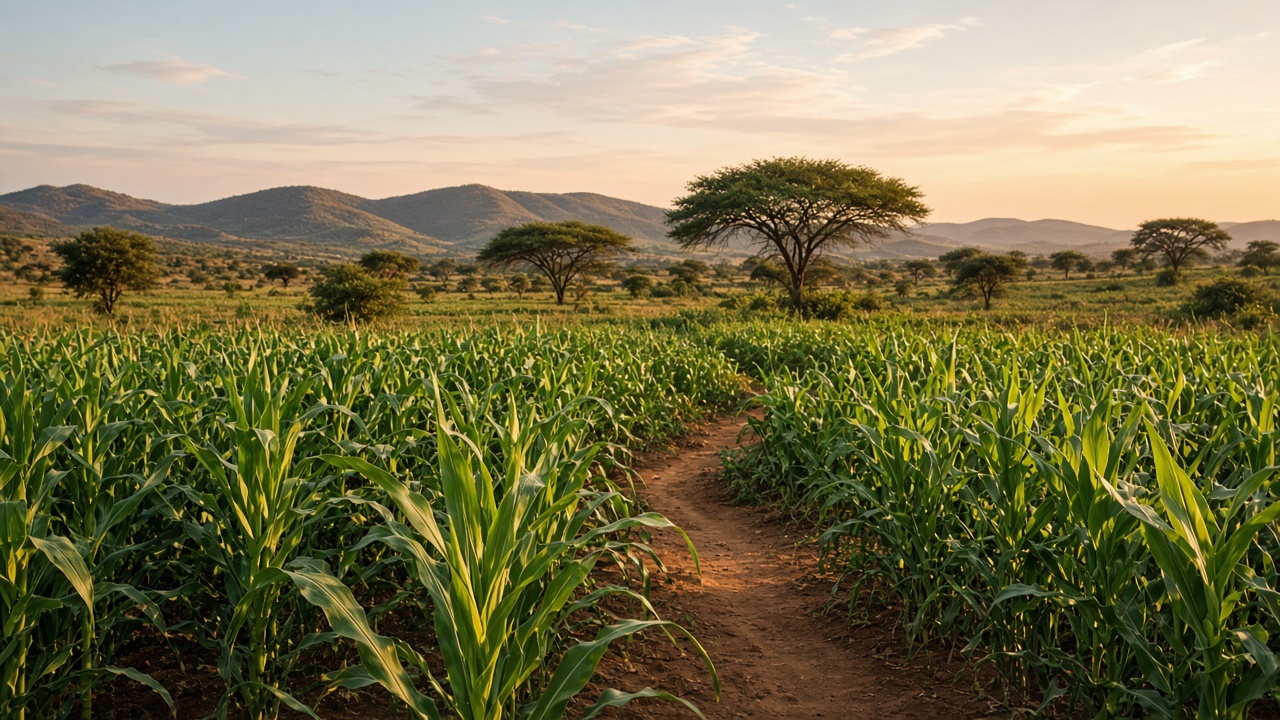
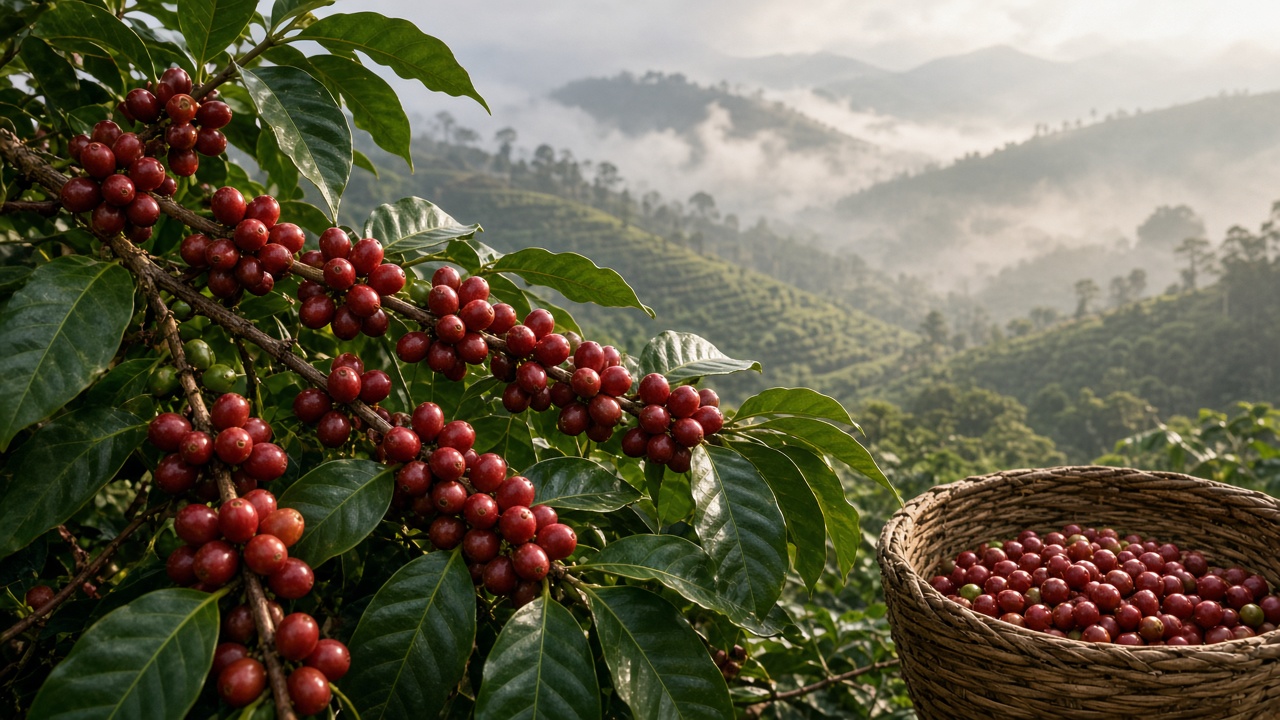
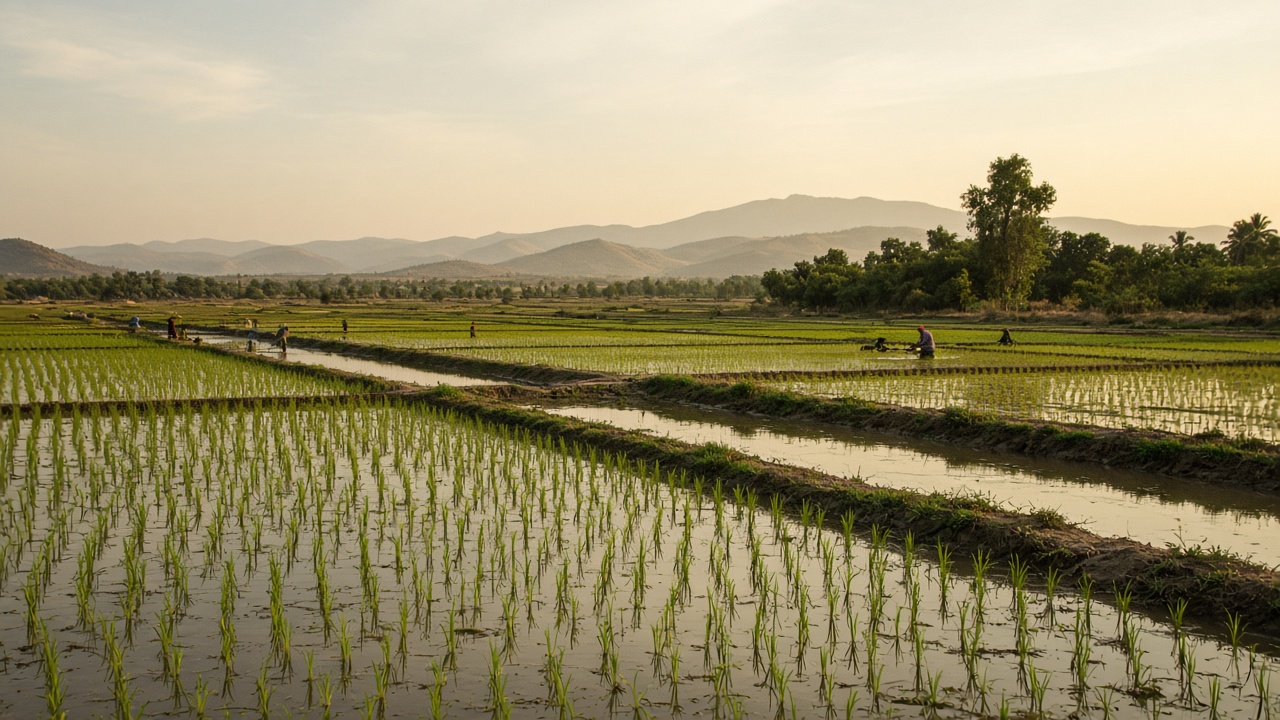
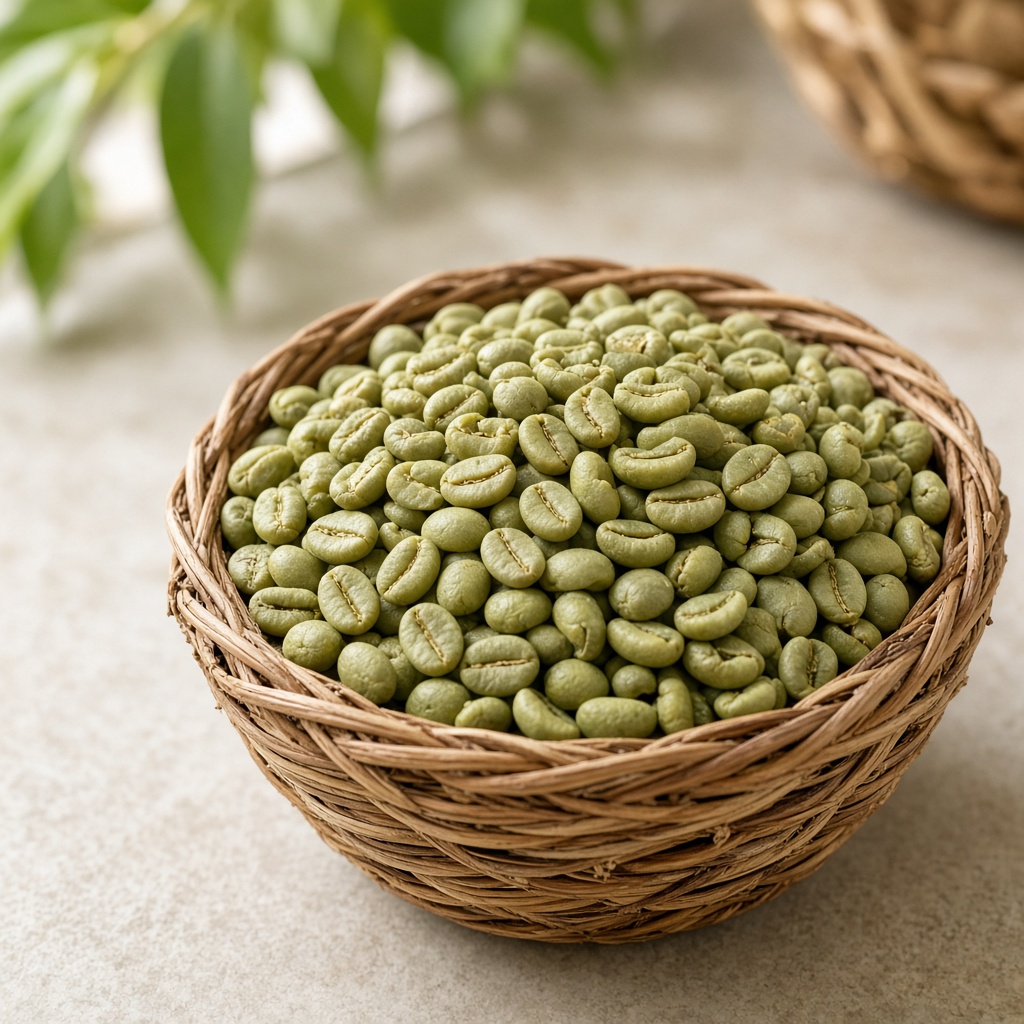
Grain, seed and a highland crop offered by farmers and the inputs desk. Prices are what the seller is asking today.


About us
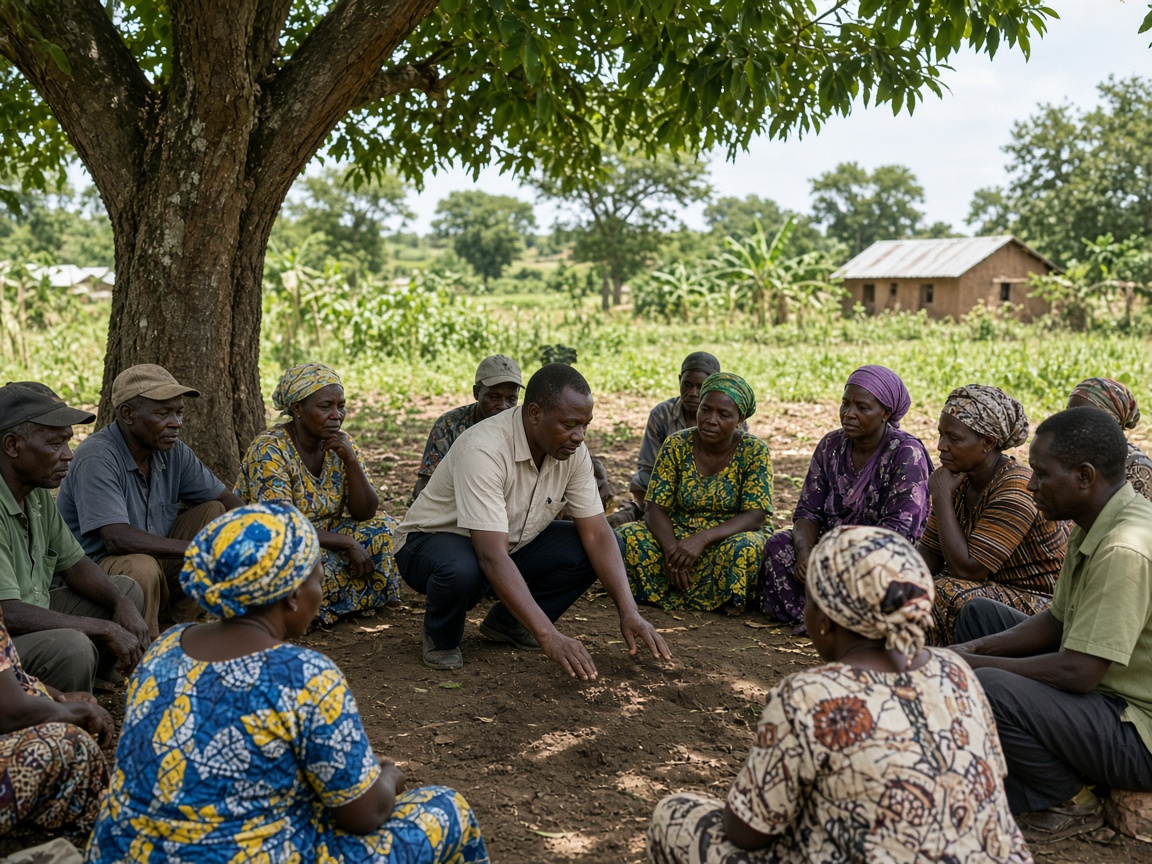
FAMIS is the Farmers and Agricultural Management Information System. We work with extension officers, district teams, cooperatives and farmers so the country can see who farms, on whose land, and what each season produced.
The household is registered once. The farm is separate from the farmer, because an owner and the person who cultivates are not always the same. Crops, visits, inputs, prices and services hang on that farm and that season.
We are based in Dodoma and we work through the regions. The public site tells the story of the institution. Officers sign in to keep the register.
Purpose
Vision
Every farming household in Tanzania is known, every plot is measured, and support arrives because the record says it is needed, not because someone was nearby when the lorry came.
Mission
We register farmers and land, follow each crop through the season, publish an honest picture of harvest and prices, and make sure training, inputs and grants are recorded as promised, delivered or received.
What we do
Three jobs run through every district: know the people and the land, stay with them through the season, and tell the truth about the market.
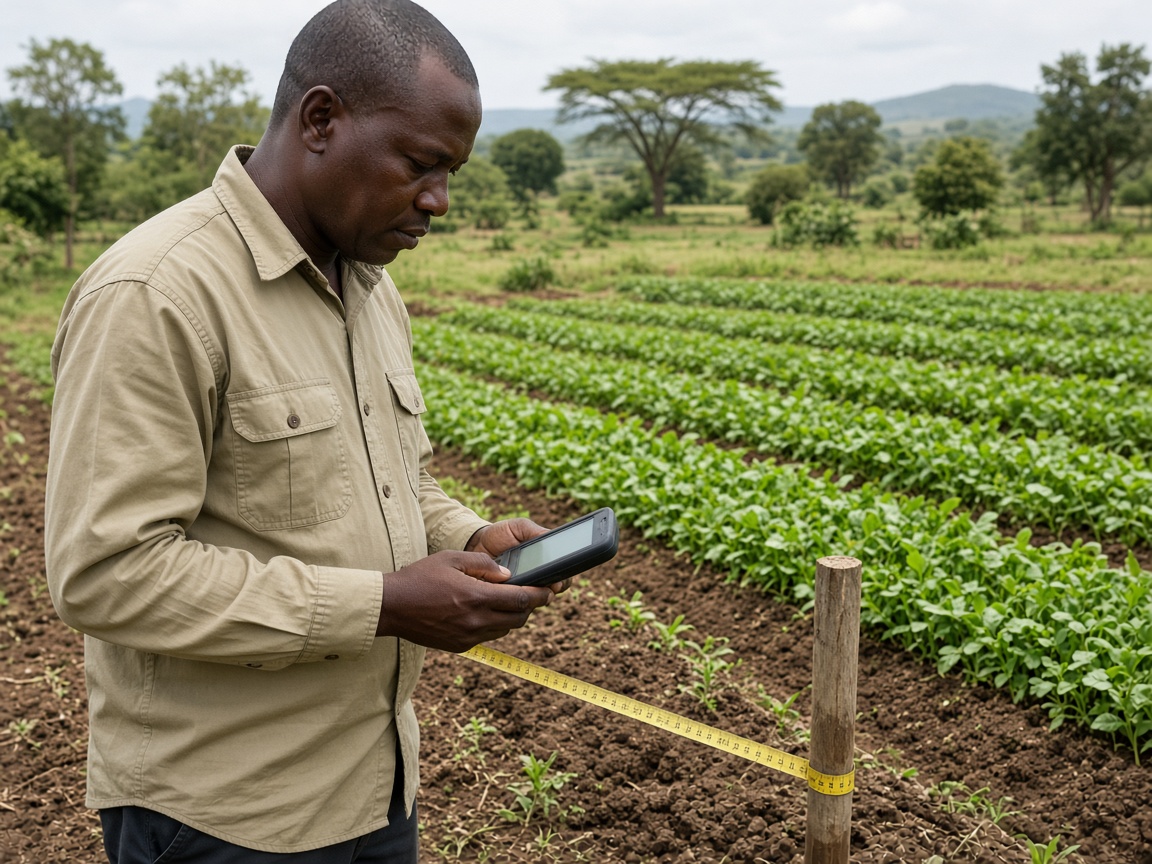
Officers register the household once, then map each plot: size, soil, water and a GPS point. One farmer may hold several farms.
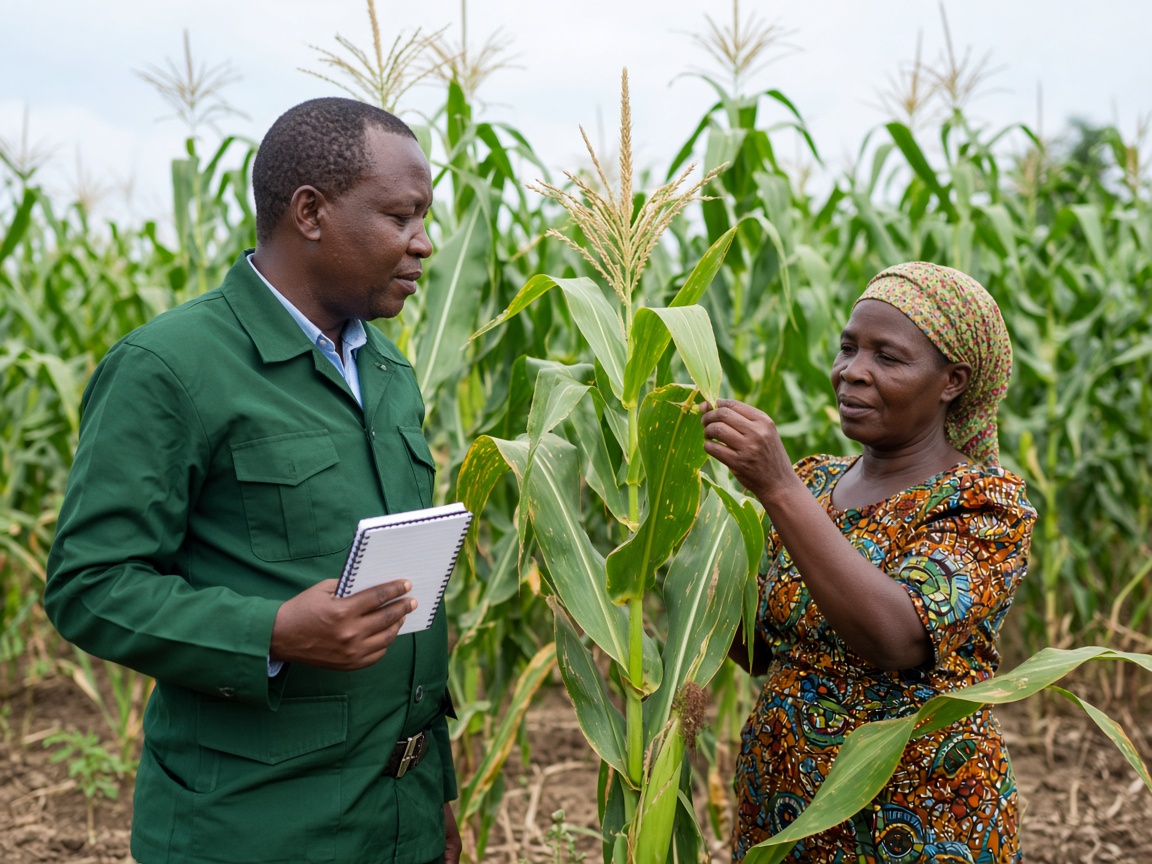
Training, visits and inspections follow planting, weeding and harvest. Advice is written against the crop on that farm, not against a name alone.
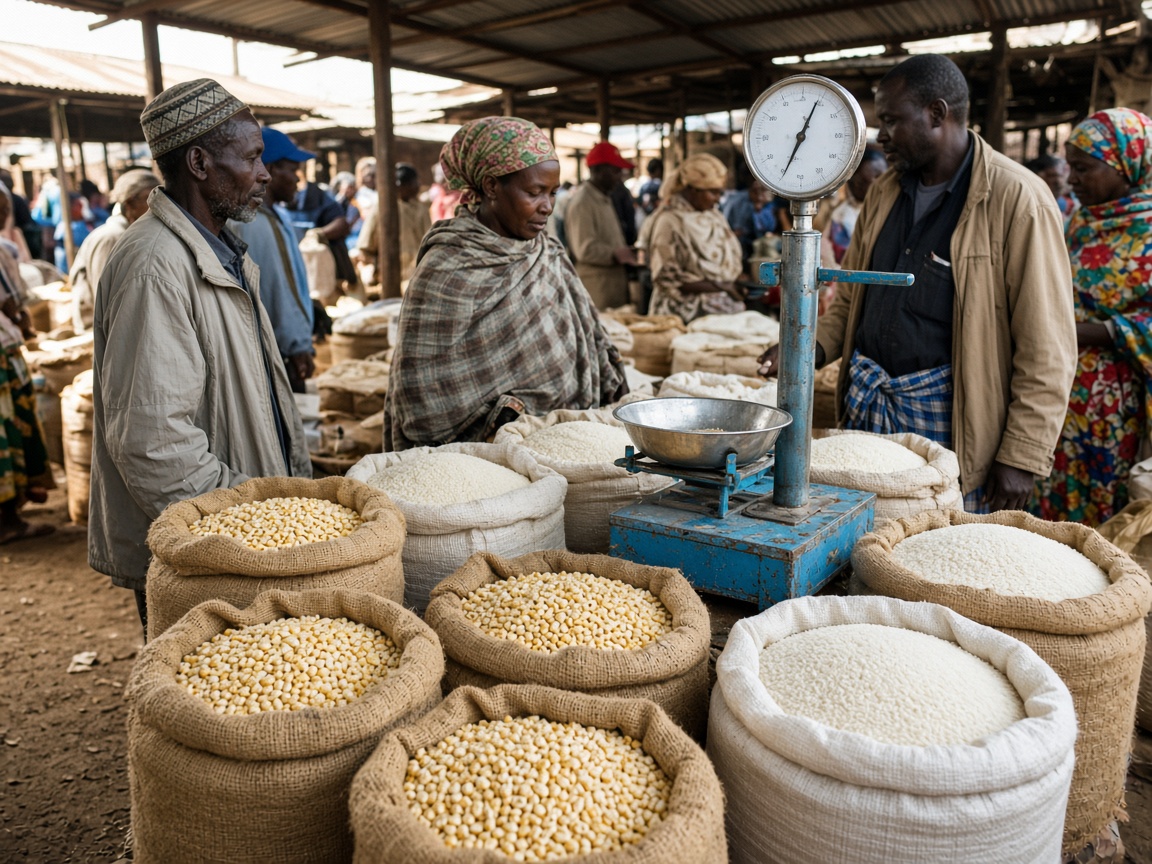
Local prices, buyer contracts and what was stored or sold are kept together, so a group can decide when to release a lot.
Activity analysis
The live register holds 6 farmers and 27.6 hectares across 4 regions. Harvest recorded so far is 31.5 tonnes, about 64% of the 49.6 tonnes the farms planned.
Registration and mapping are ahead of visits. That is the shape of an early Masika: identity and land first, then the crop inspections, then the market. Services already logged: 5. Training sessions held: 3.
What farmers say

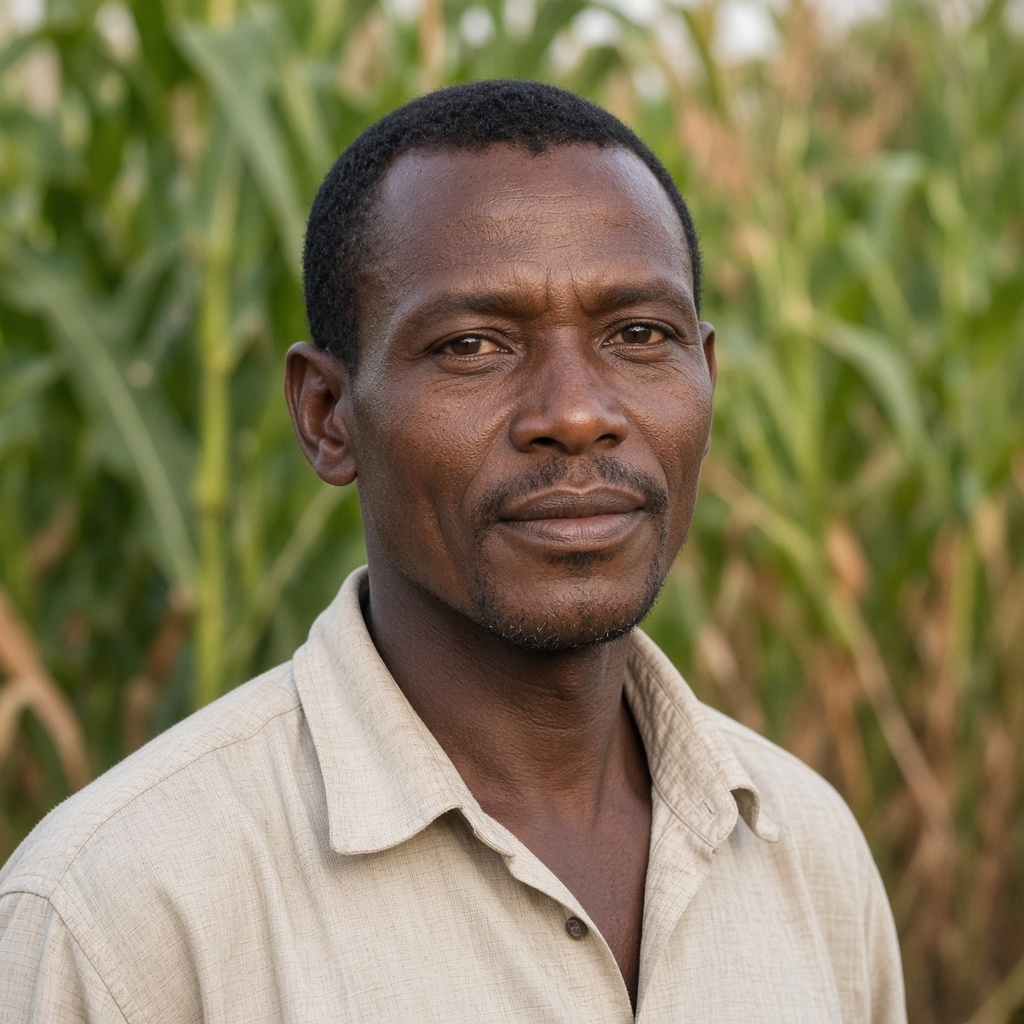
“Before, my two plots were one story in the village book. Now each plot has its crop and its harvest. When the officer comes, we talk about the maize, not about whether I exist.”
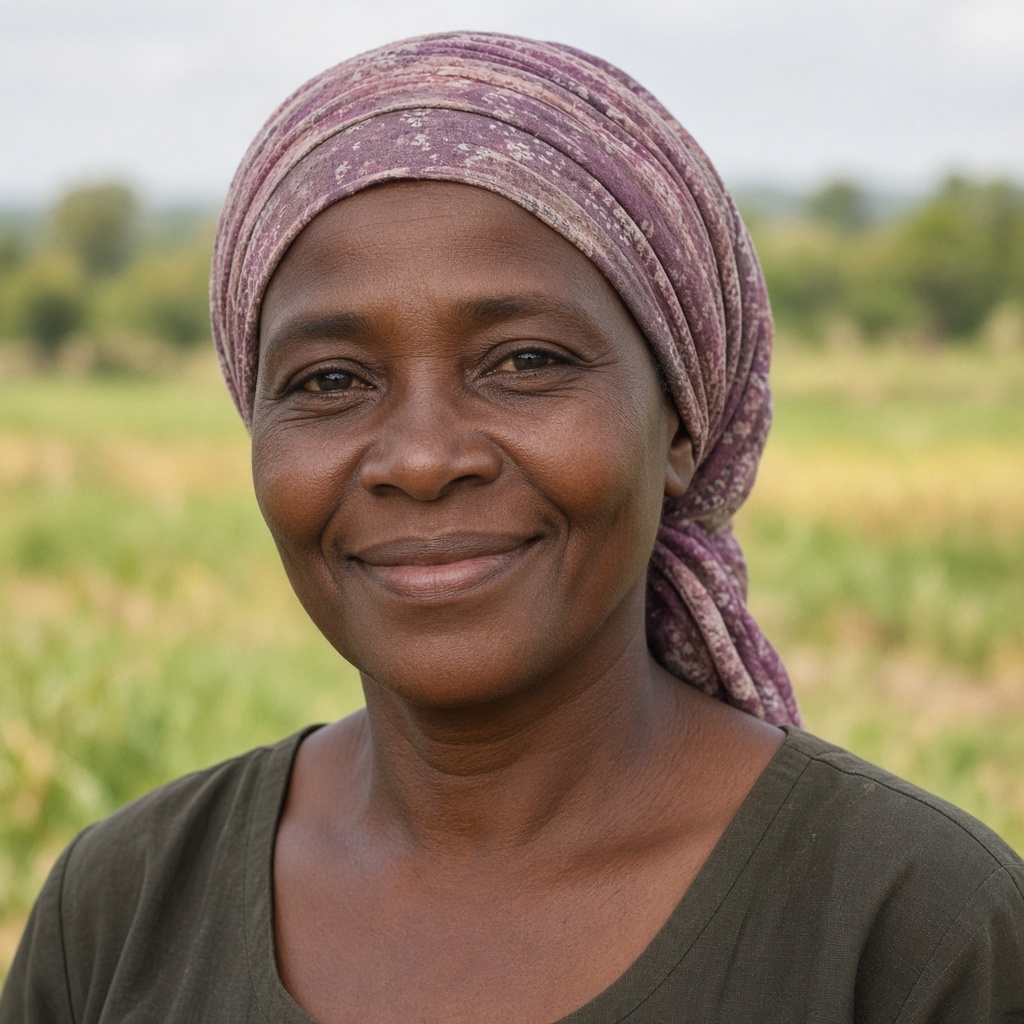
“The price at Morogoro central reached me before I hired a lorry. I sold part of the maize and kept the rest for the house. That is the help I wanted.”
“Our rice goes into the group store only after it is graded. I can see what I kept and what the cooperative sold. Nobody tells me the number later.”
News and blog
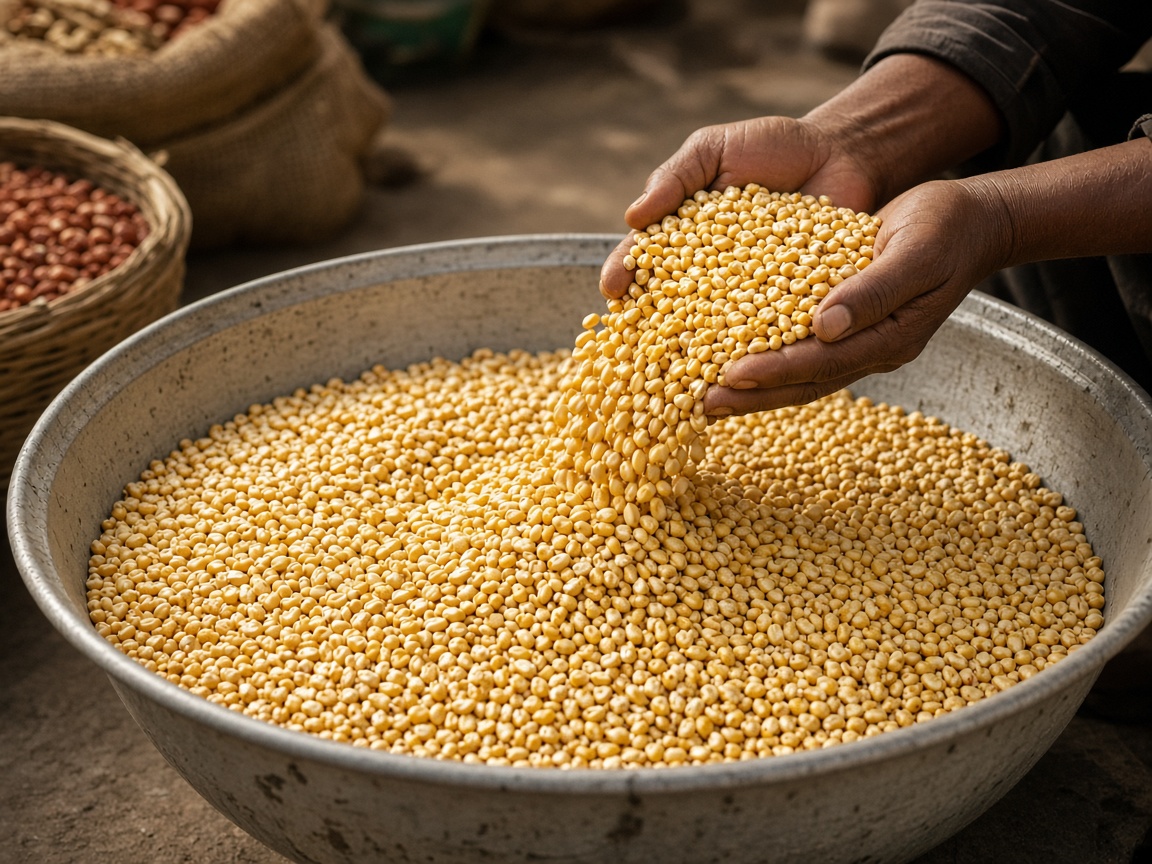
Kongwa, Mali and Morogoro central all posted maize above the floor our officers use when they advise a farmer whether to sell or store.
Read the note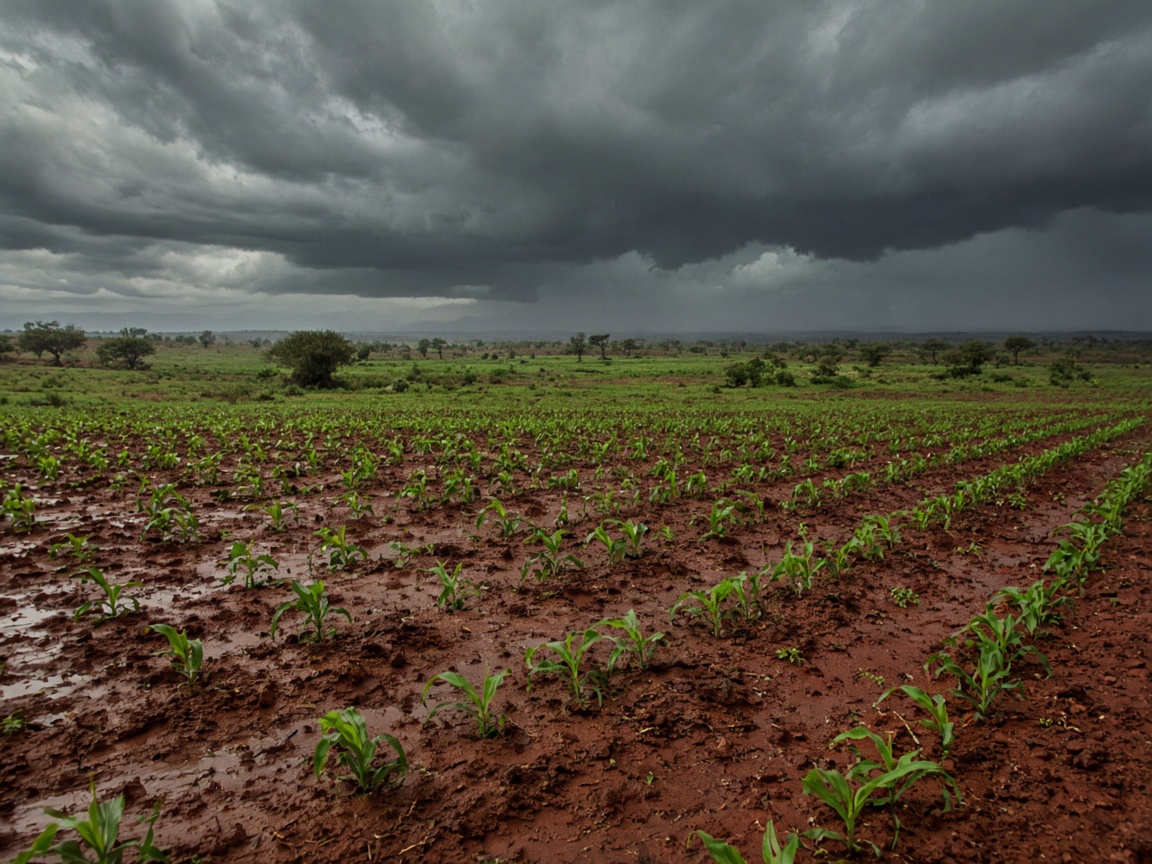
Officers asked farmers to finish maize planting in the first two weeks of March and to keep a strip for the later Vuli crop where the soil holds water.
Read the note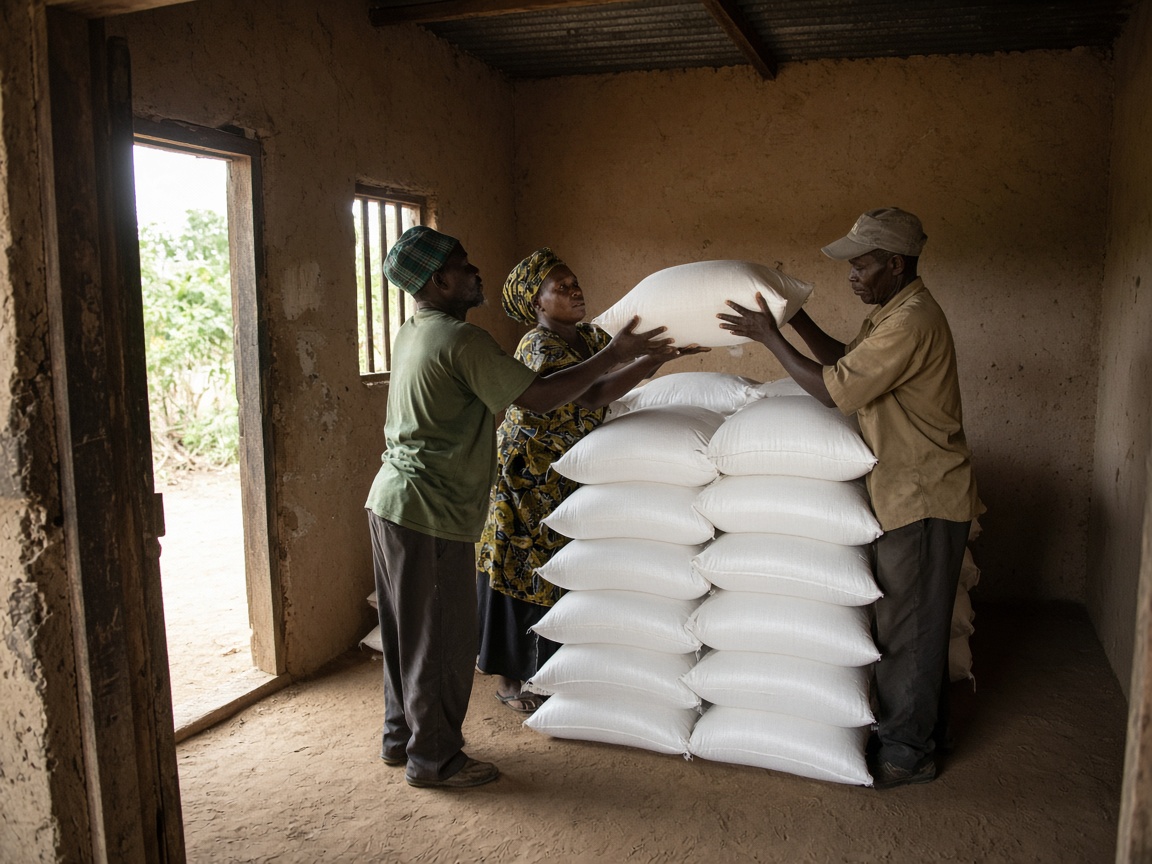
The cooperative agreed to accept only graded rice, so households keep the broken grain and the store keeps a lot a buyer will pay for.
Read the noteWrite your name and a message. An officer reads the form on this desk.